
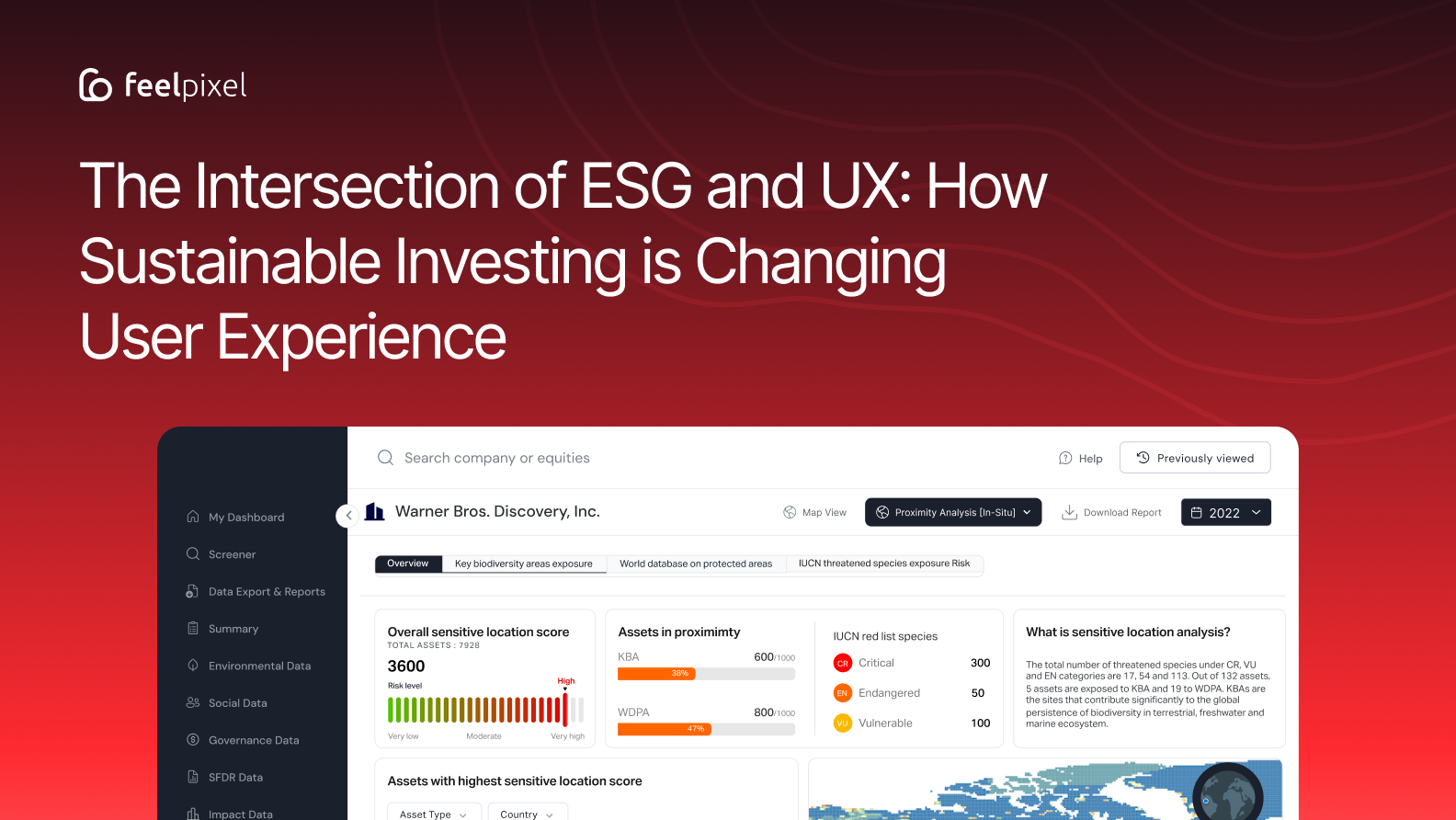
In the world of finance, sustainable investing is gaining traction as investors seek opportunities that align with their values and make a positive impact on the environment, society, and governance (ESG).
However, sustainable investing goes beyond finances alone. It’s now influencing the way companies design user experiences (UX) in this virtual world. This fascinating blend of ESG and UX is transforming the way we interact with technology, creating user-centric designs that are socially responsible.
Let’s have a look at how sustainable investing is shaping UX and the mutually beneficial relationship between these two fields.
The Rise of Sustainable Investing
Before diving into the relationship between ESG and UX, it’s crucial to understand the foundation of sustainable investing. As climate change, social inequality, and corporate governance practices gain widespread attention, investors are seeking to allocate their capital to companies that practice sustainable principles.
The ESG framework assesses a company’s environmental impact, social responsibility, and governance practices, allowing investors to make informed decisions that align with their values. As this movement gains momentum, businesses are becoming increasingly conscious of their ESG scores, seeking to improve them through tangible actions and transparent reporting.
A User-Centric Paradigm
Along with the growth of sustainable investing, the field of UX design has witnessed a profound shift towards a more user-centric approach. User experience, once considered an afterthought, is now at center stage for companies across industries. This shift is fueled by an understanding that a well-designed and intuitive UX not only drives customer satisfaction but also contributes to a company’s long-term success.
Sustainable investing has magnified this focus on UX, compelling businesses to align their design strategies with their ESG goals.
Designing for a Sustainable Future
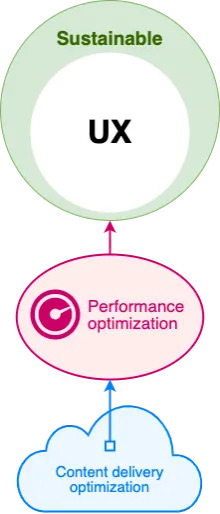
The fusion of ESG and UX is evident in the design choices made by companies to reduce their environmental impact. Eco-conscious UX design principles prioritize energy efficiency, minimize data consumption, and encourage sustainable behaviors. These principles are not so different from traditional IT-application development.
But instead of making it more complex, here are some design decisions that companies go with; from implementing dark mode interfaces to reduce screen power consumption, to simplifying user flows to minimize clicks and server load, these design choices reflect a commitment to sustainability.
Beyond the environment, social responsibility plays a crucial role in shaping user experience. Inclusive design principles ensure that products and services are accessible to all users, regardless of age, ability, or background. Sustainable investing demands diversity and equality, leading to more user-friendly interfaces, alternative text for visual content, and thoughtful considerations for individuals with disabilities.
Building Trust through Transparency
Transparency, a fundamental aspect of governance within the ESG framework, is also vital in UX design. As companies strive to improve their ESG scores, they are compelled to adopt transparent practices in their communication with users. Transparent design patterns, such as clear data usage policies, user-friendly consent mechanisms, and ethical data handling practices, enhance user trust and foster long-term relationships. This transparency establishes a solid foundation for sustainable business growth.
Conclusion:
The intersection of ESG and UX represents an exciting mix of principles that has the potential to reshape our digital experiences. Sustainable investing has elevated user experience from a design consideration to a vital part of a company’s ESG strategy. As more investors prioritize sustainability and users demand intuitive and ethical design, businesses must and will adapt. By incorporating sustainable principles into their design processes, companies can create meaningful user experiences that align with their values, improve their ESG performance, and pave the way towards a better future.