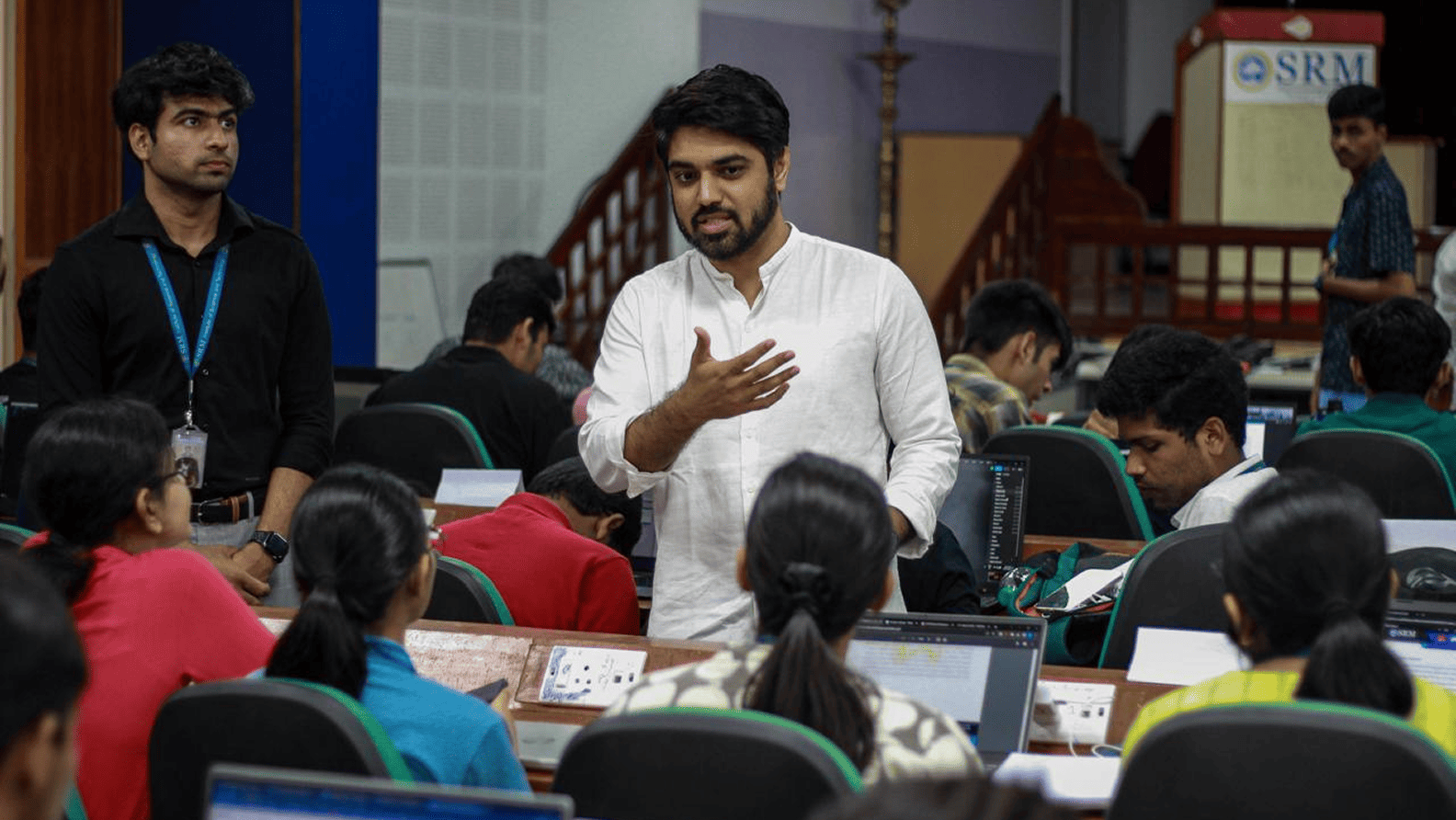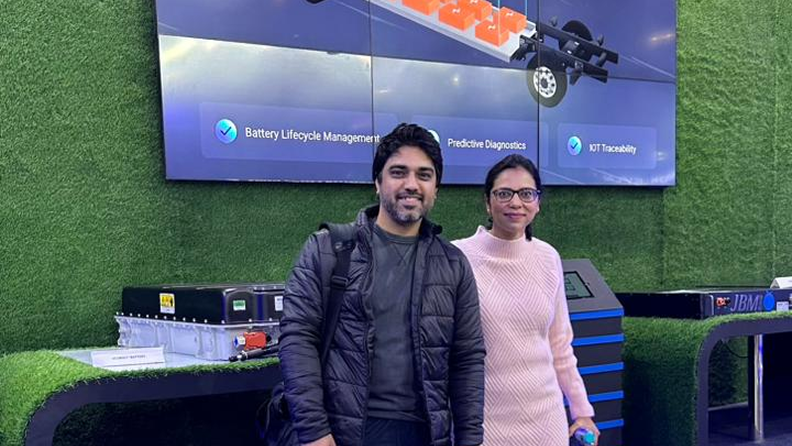
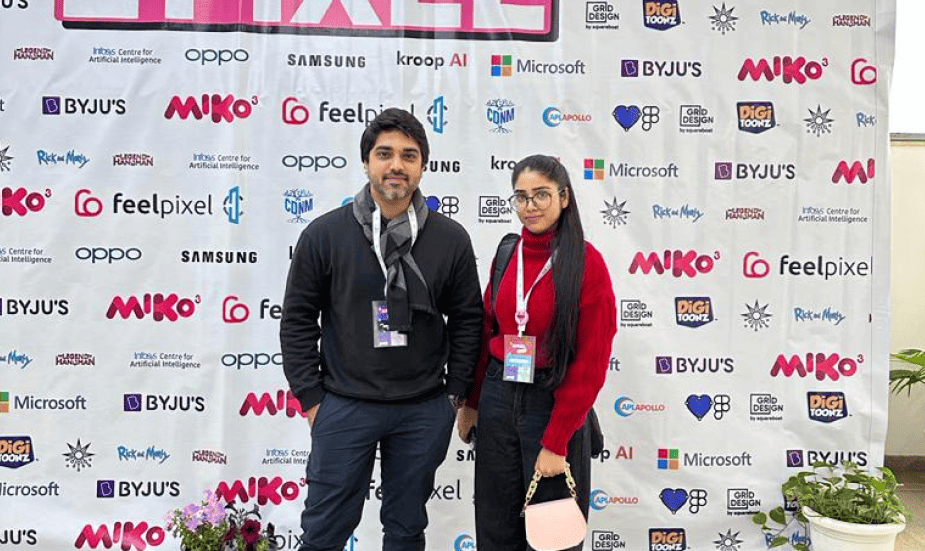
What stood out was the intent behind the conversations, there was a strong shift toward understanding design as a driver of business impact, not just execution.
Design is no longer just design
One of the core ideas I shared during the session was simple:
Design is no longer a support function, it is a business function.
Today, design directly influences:
- User trust and perception
- Conversion and retention
- Product differentiation
- Scalability of digital experiences
Despite this, many teams still treat design as a downstream activity rather than a strategic input. That gap continues to be one of the biggest missed opportunities in product development.
The real conversation: Business of Design
The session focused on shifting the mindset from outputs to outcomes.
1. Design starts before screens
Design should begin at the foundation:
Problem framing
Business understanding
User intent mapping
The earlier design enters the process, the stronger the final impact.
2. Outcomes matter more than deliverables
Design success is not about number of screens or flows delivered. It is measured by:
Conversion improvements
Reduced drop-offs
Increased engagement
Better user experience efficiency
Design must be tied to measurable business impact.
3. Creativity is business value
A key mindset shift for designers:
Creativity is not time-based—it is value-based.
The real question is not how long it took, but what value it created.
4. Systems scale design
Sustainable design is built through:
Design systems
Reusable patterns
Consistency across experiences
Systems enable speed without compromising quality.
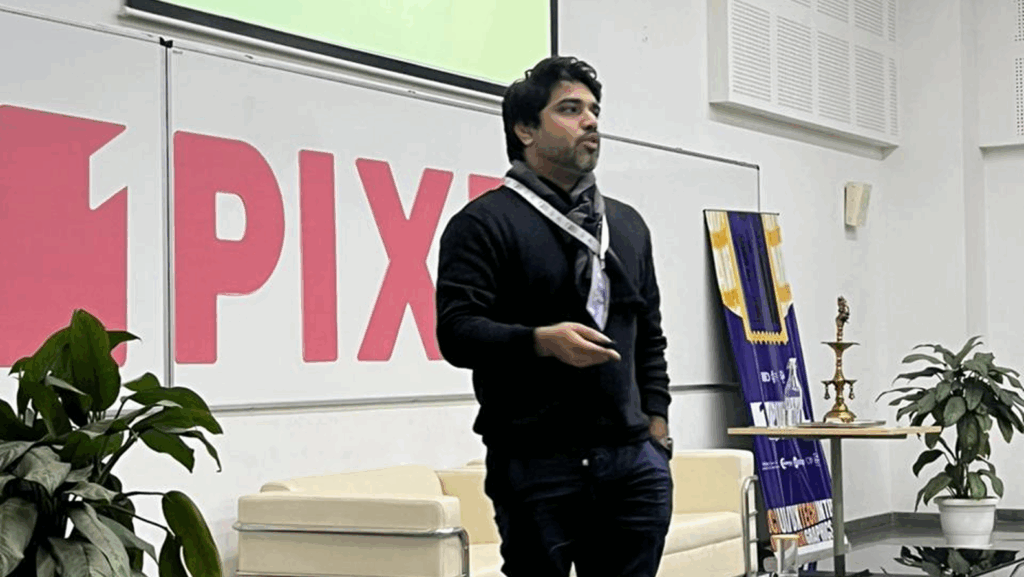
Audience engagement that stood out
What made the session memorable was the depth of engagement. The questions reflected a growing maturity in the design community:
How does design connect to business strategy?
How do designers demonstrate impact?
How can designers grow beyond execution roles?
It was clear that the next generation of designers is already thinking beyond visuals and tools.
Why platforms like 1Pixel matter
Events like 1Pixel Design Conf are important because they bridge:
Academia and industry
Theory and real-world application
Learning and practice
Institutions like Indraprastha Institute of Information Technology Delhi play a key role in shaping this dialogue and preparing designers for real-world challenges.
Final thoughts
Design is evolving rapidly. The biggest shift we need is this:
From designing interfaces → to designing business outcomes through user-centric thinking.
That is where the future of impactful design lies.
About the Author
Nitin Panwar is the Founder of Feelpixel Design Private Limited and an IIT Bombay alumnus with over a decade of experience in the design industry. He has worked with leading brands across fintech, enterprise, and digital ecosystems, focusing on building human-centered design systems that drive measurable business outcomes.
FAQs
1. What is the “Business of Design”?
It refers to understanding how design impacts key business outcomes like revenue, conversion, retention, and brand value, beyond just aesthetics or usability.
2. Why is design important for business growth?
Design influences user experience, trust, and decision-making, which directly affect how users engage with and adopt a product.
3. How can designers think more strategically?
Designers can shift focus from deliverables to outcomes by understanding business goals, user behavior, and measurable product KPIs.
Work with Feelpixel
At Feelpixel, we partner with product and growth teams to build research-led UX systems that drive measurable business impact. We also believe deeply in the design community that makes this work possible — which is why we show up, share openly, and invest in the conversations that move the industry forward.