Designed DeepScan, an AI-based pentesting tool that helps teams find security vulnerabilities through prompt-driven testing. It reduces dependency on manual workflows and makes security testing more accessible across products and teams.
WEB APPLICATION
Website
DESIGN SYSTEM
Brand identity
The Challenge
01
Turning Pentesting into a Conversational Experience
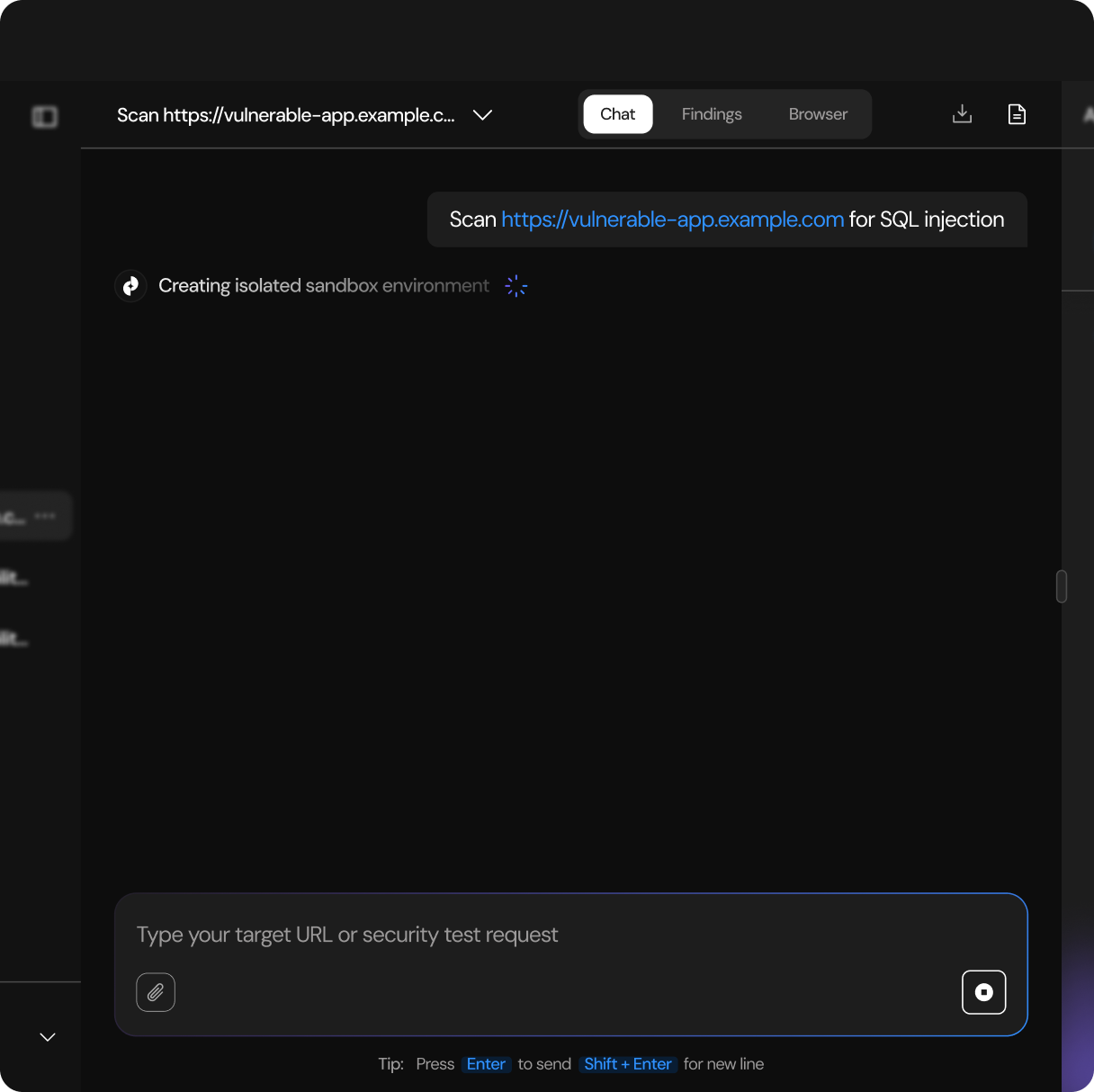
The challenge was to design a natural, prompt-based interaction that allows users to test systems using plain language, while still reflecting the seriousness and depth of real pentesting.
02
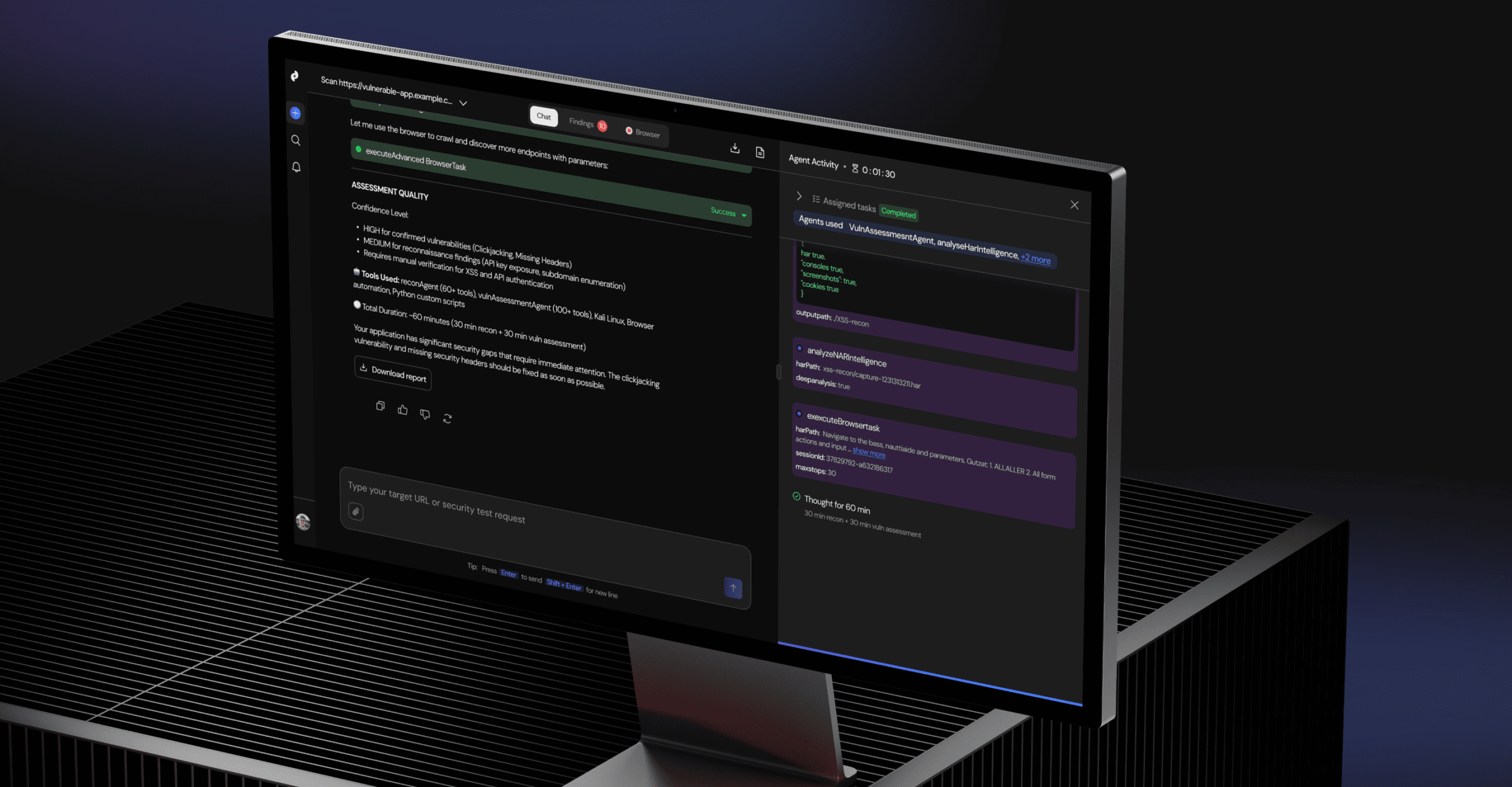
Making AI Agent Activity Visible and Understandable
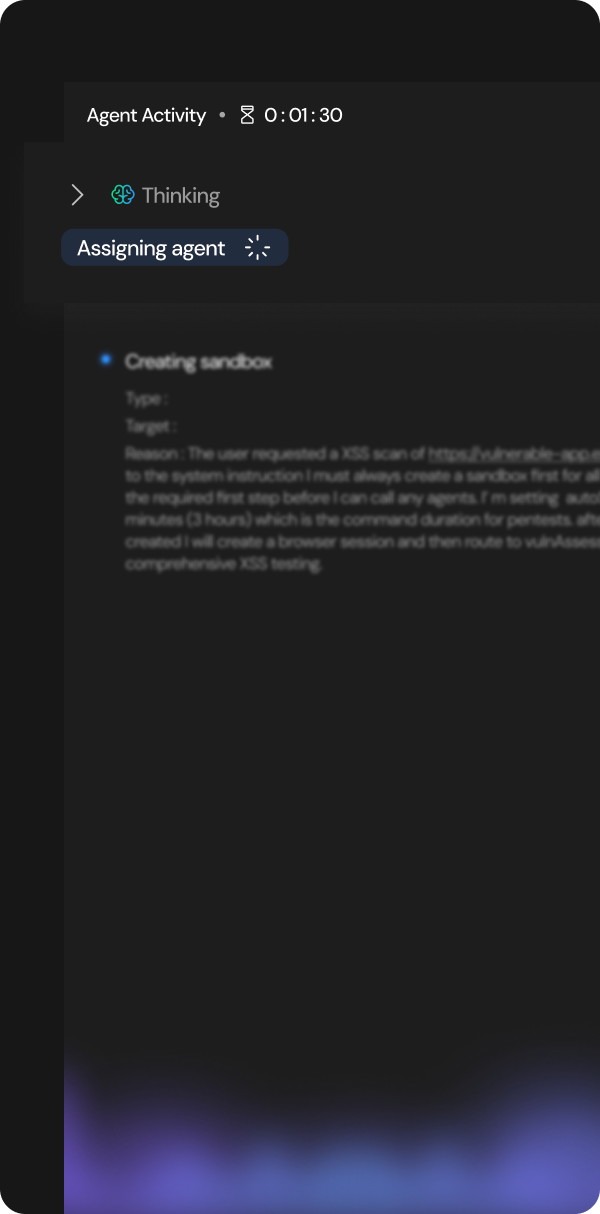
The challenge was to surface this agent-driven activity in a way that feels transparent, structured, and reassuring, so users understand what’s happening without needing to know how it’s built.
03
Establishing Trust in AI-Led Security Decisions
The challenge was to present findings in a way that feels credible, actionable, and trustworthy for teams making critical security decisions.
The Objective
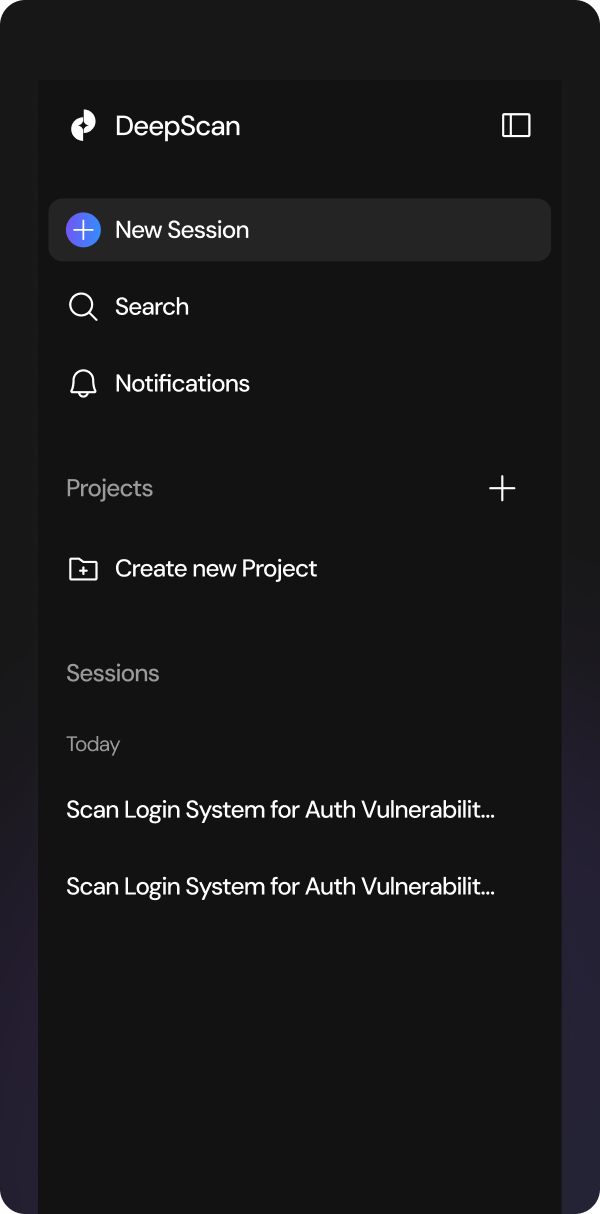
The objective was to design DeepScan as an easy-to-use AI security platform that helps teams find vulnerabilities faster using simple prompts. The experience was focused on showing what the system is doing, explaining results clearly, and enabling users to take confident security actions without needing deep security expertise.
Creating a Brand Identity
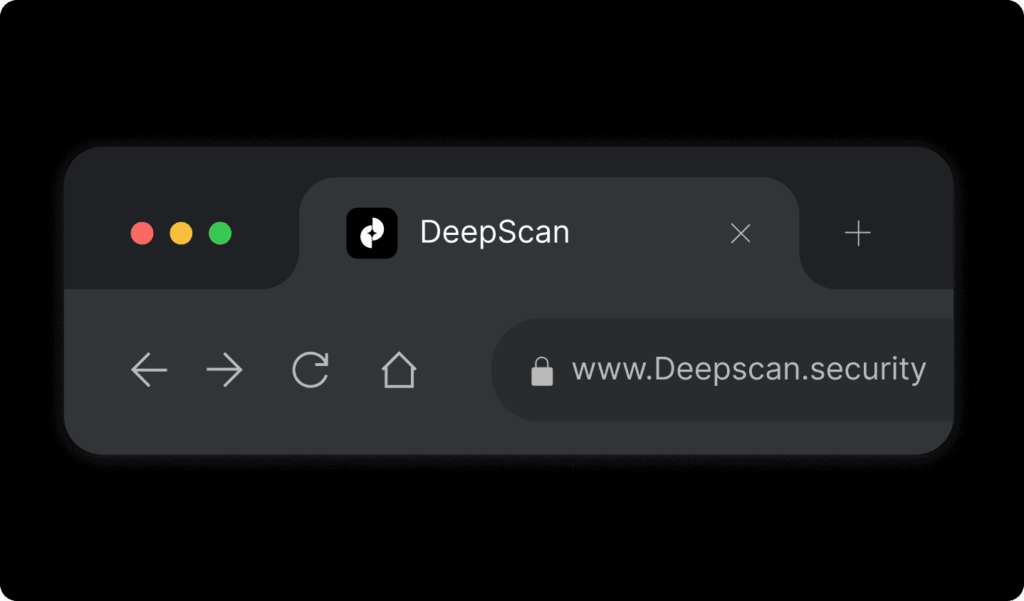
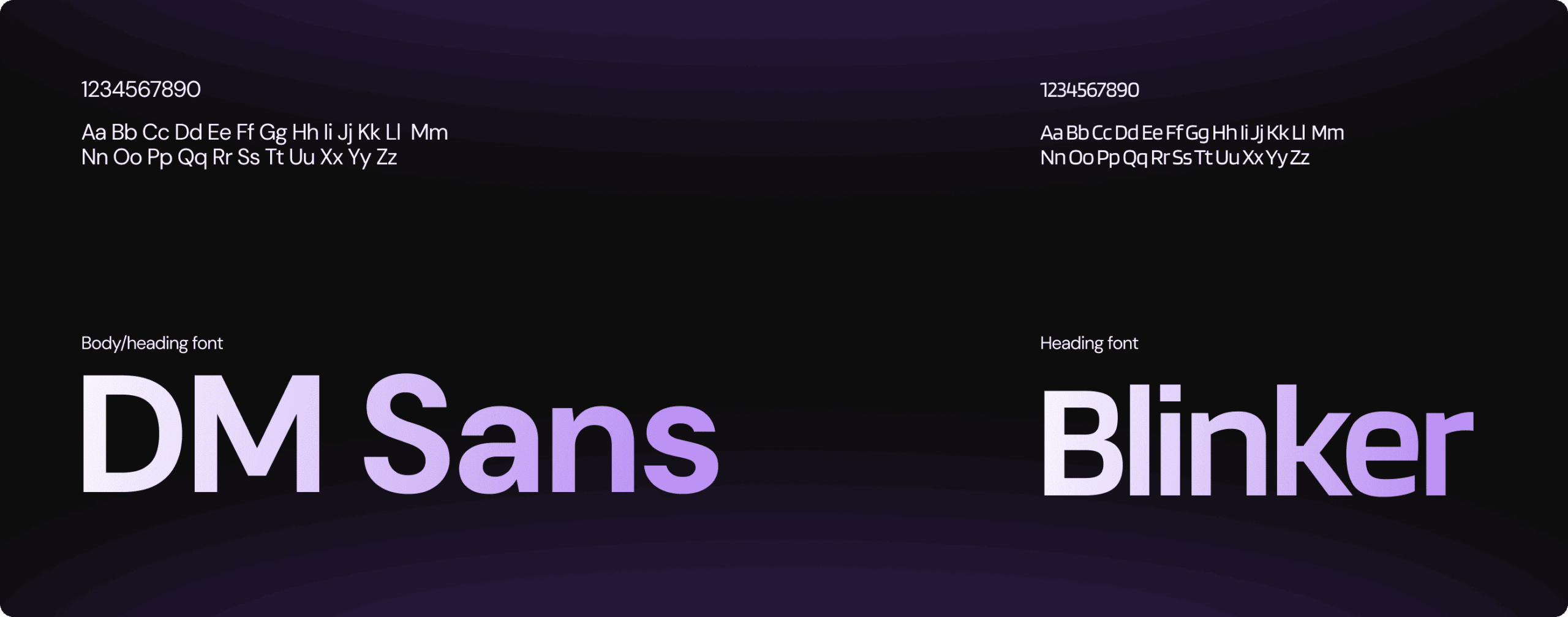
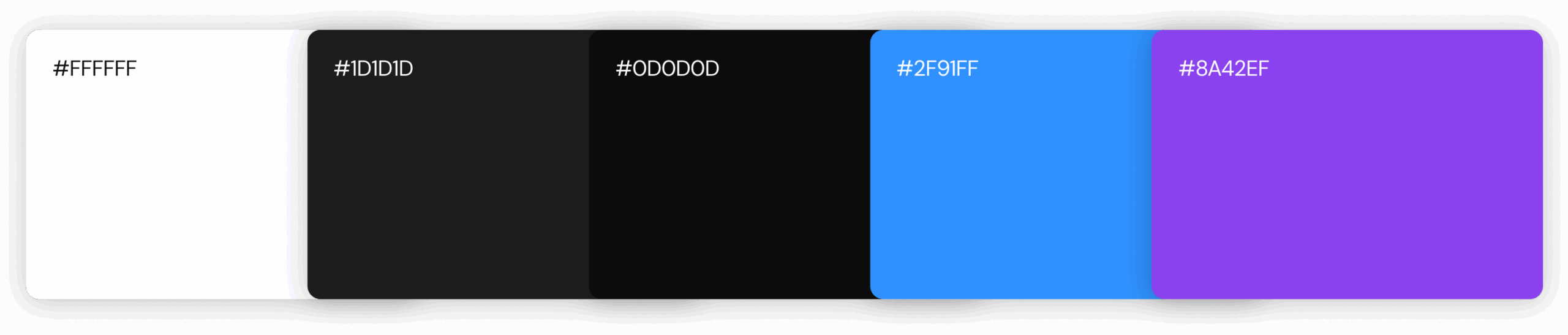
Designed a cohesive brand experience for DeepScan, spanning its visual language and digital presence. The goal was to reflect trust, precision, and technical depth while ensuring the brand feels modern and confident in an AI-driven security space. The identity system includes a distinctive dark theme, icons, and a logo designed specifically for DeepScan. This brand foundation sets a consistent tone across the dashboard and website, reinforcing credibility while remaining approachable.
Design Language
Understanding the Users & Context
DeepScan is used by developers, product teams, security professionals, and founders each with different levels of security expertise. While their technical depth varies, their expectations are similar: fast access to insights, confidence in results, and clarity around system behavior. This required an experience that speaks a human language while still delivering the rigor expected from a security product.
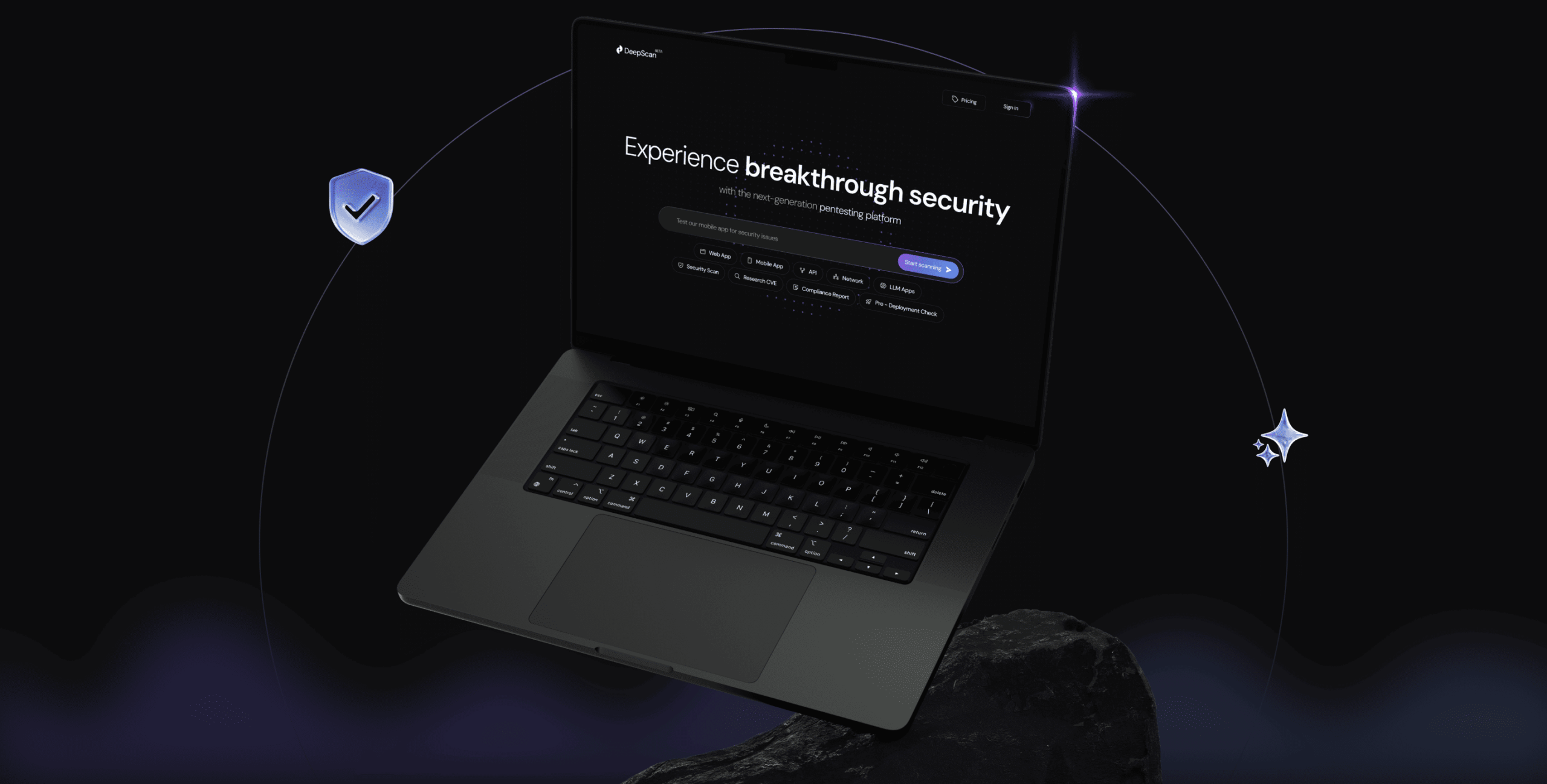
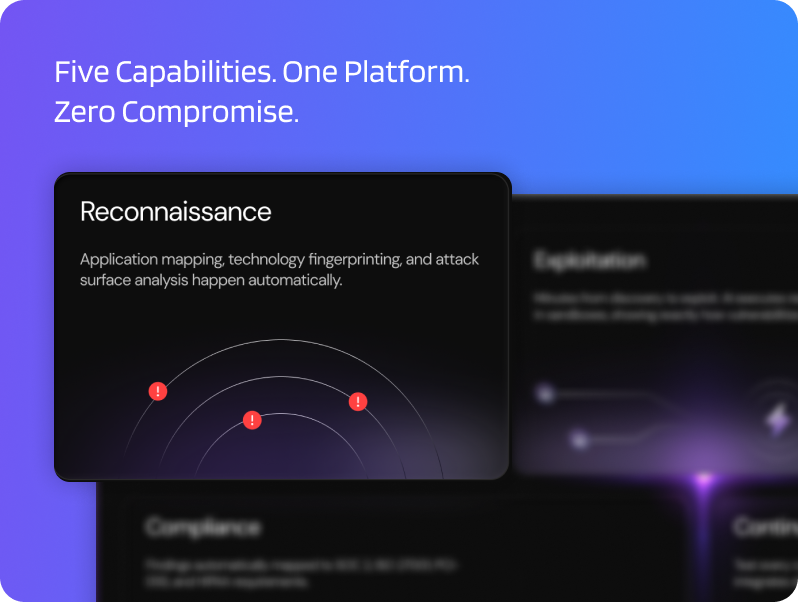
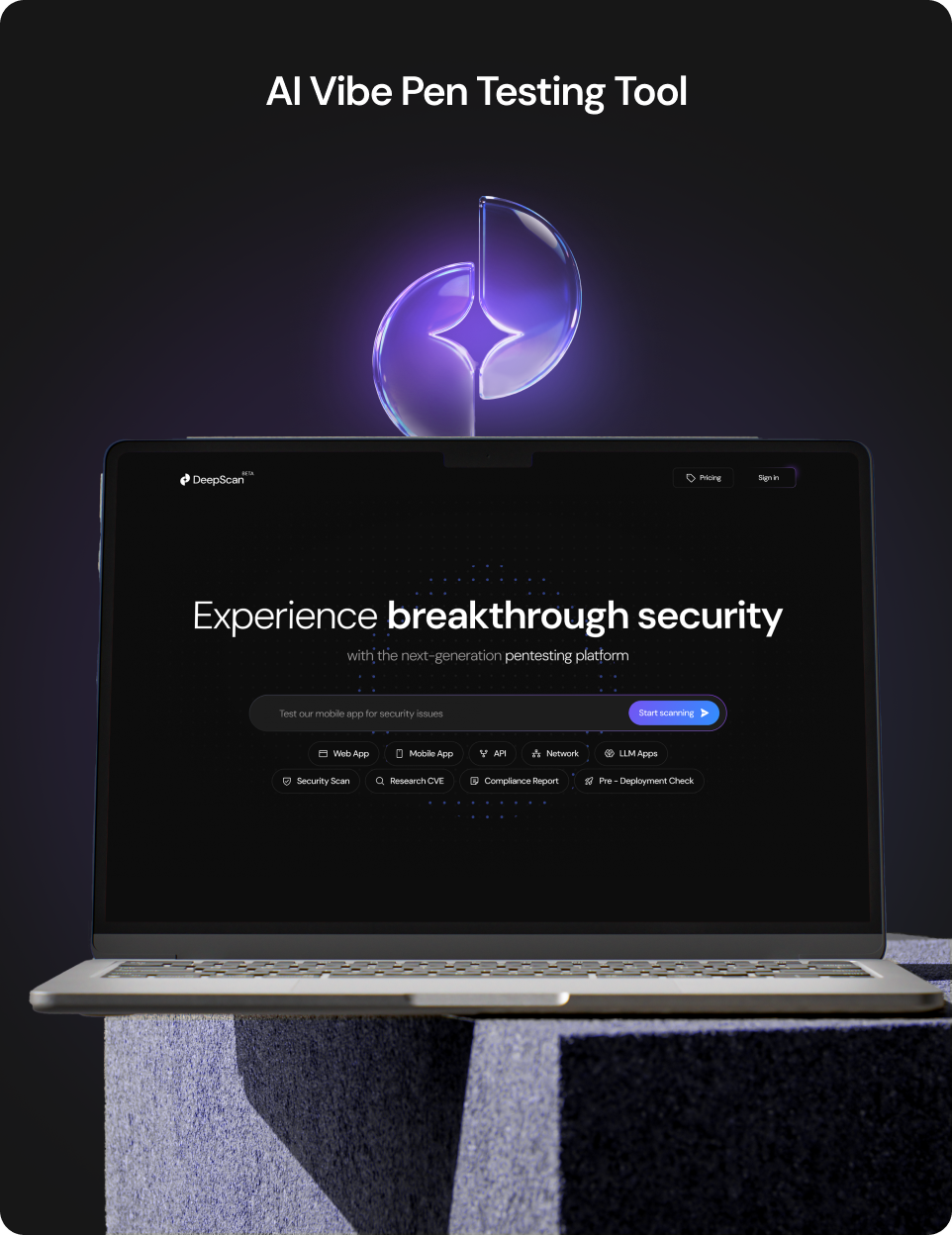
Communicating DeepScan’s Value Through the Website
The DeepScan website plays a critical role in building understanding and trust. Rather than acting as a promotional surface, it introduces users to how the platform operates and what to expect from AI-led security testing. The website explains how prompt-based workflows translate into scans,helping users form a mental model of the system before entering the dashboard.
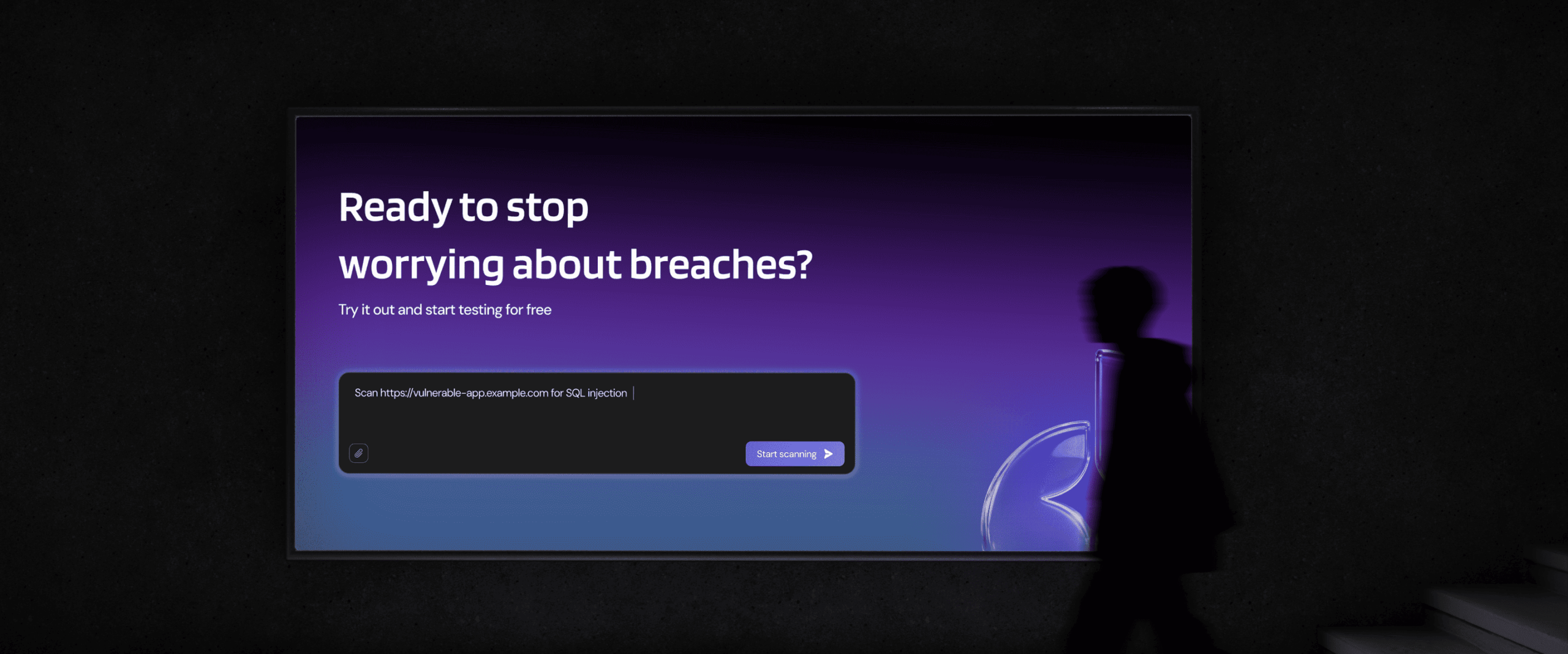
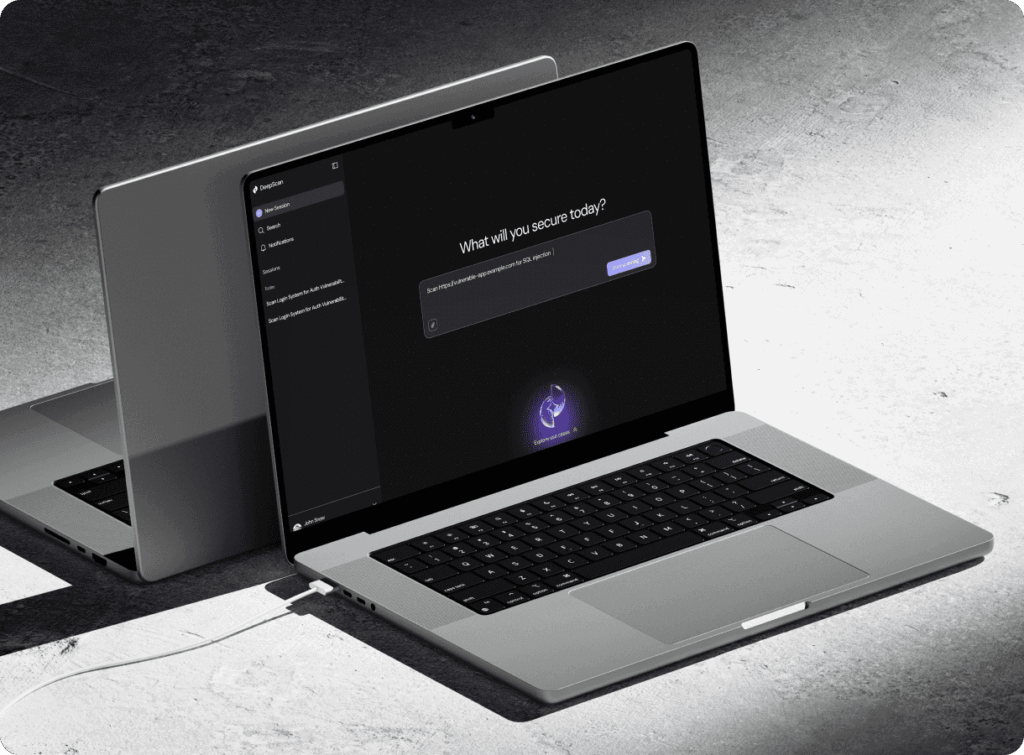
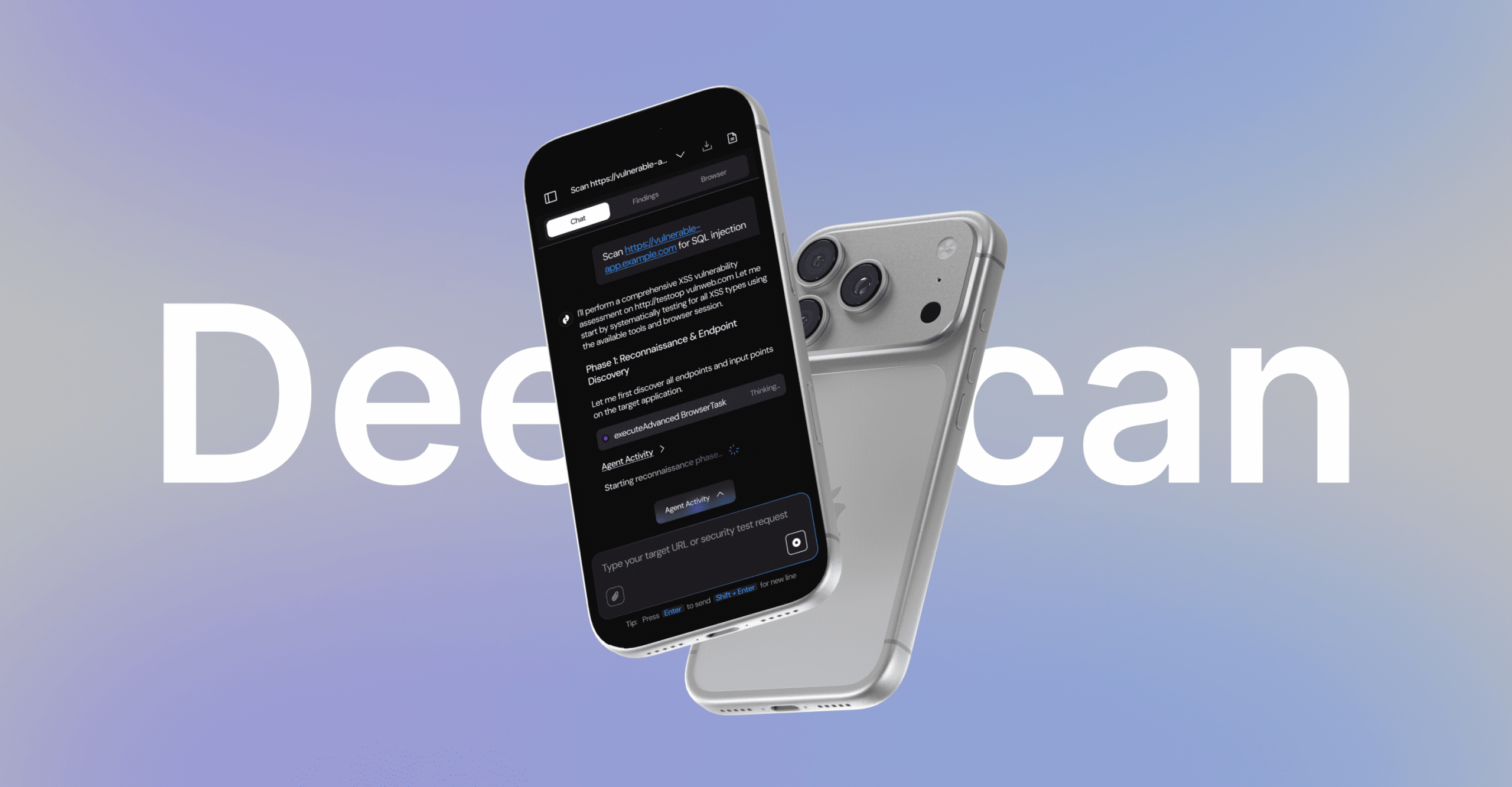
Prompt-Driven Security Testing
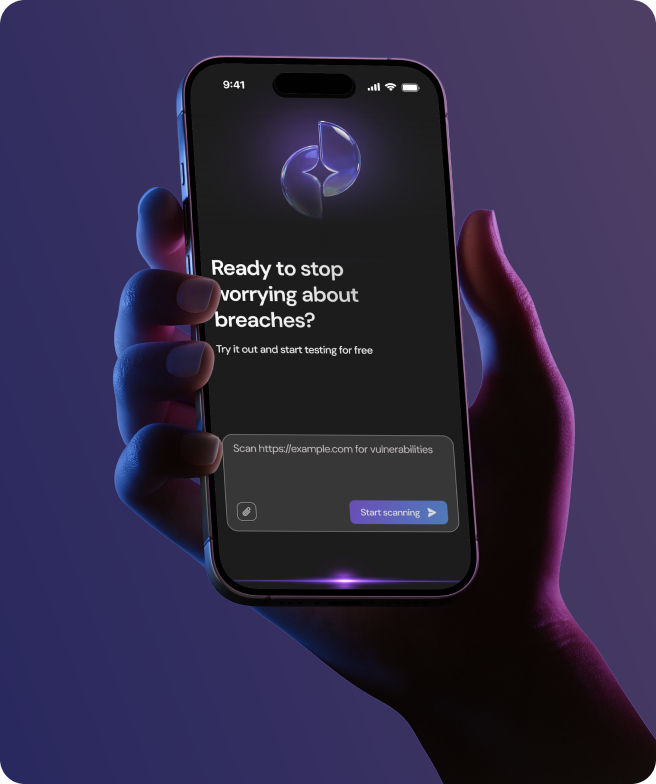
Users initiate security tests by describing their intent in natural language. The system interprets these inputs and converts them into structured security actions, removing the need for scripts or complex setup while maintaining depth and accuracy.
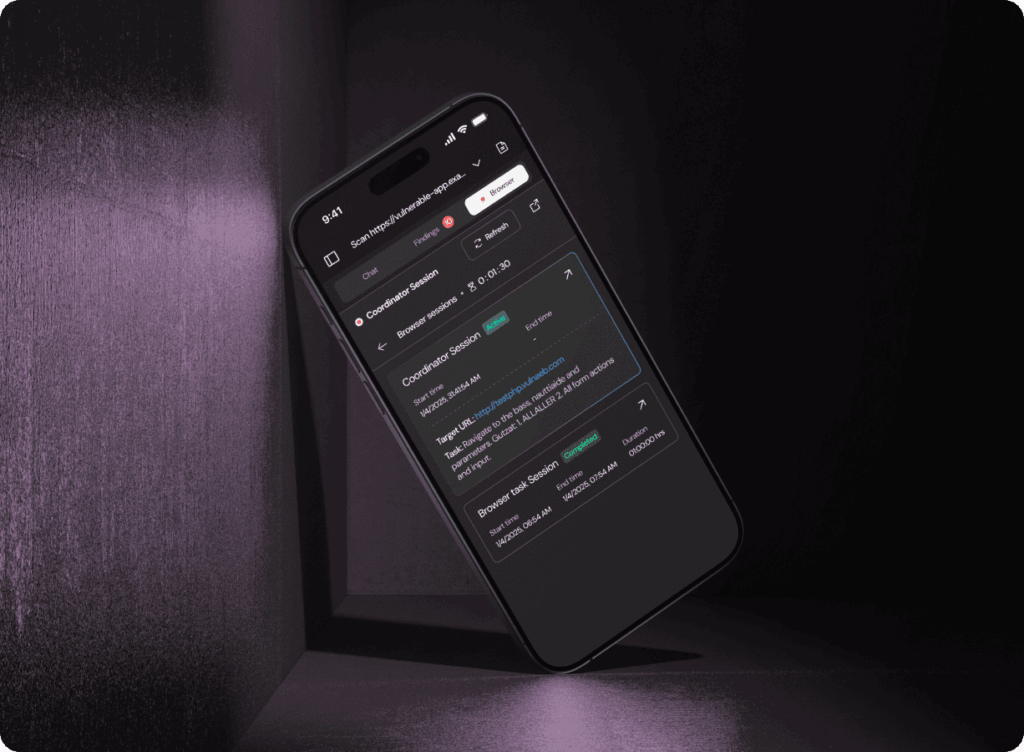
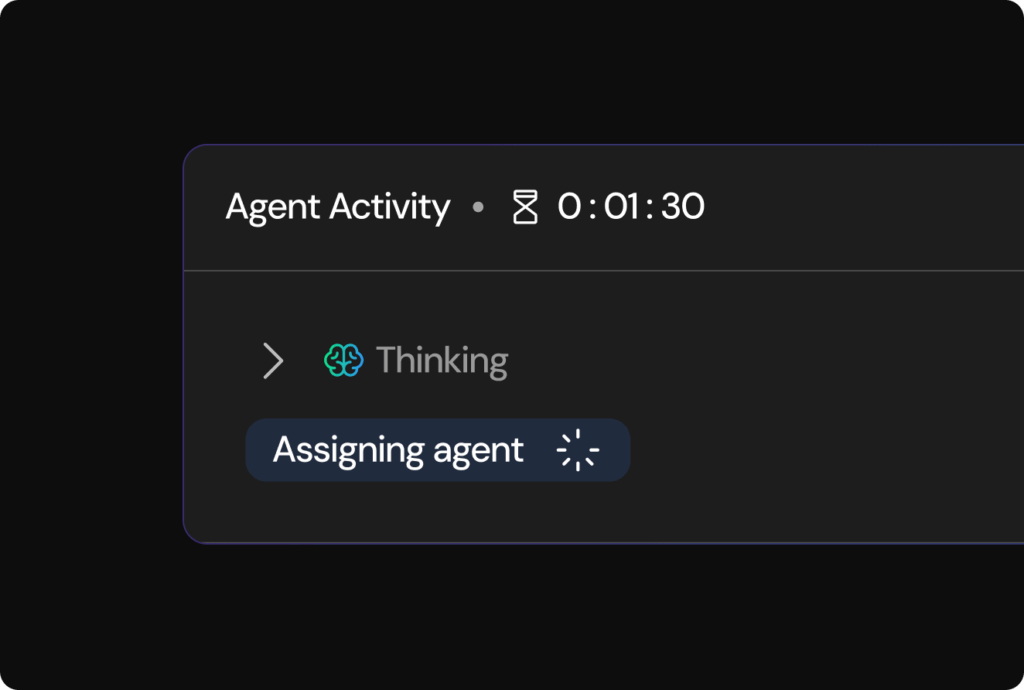
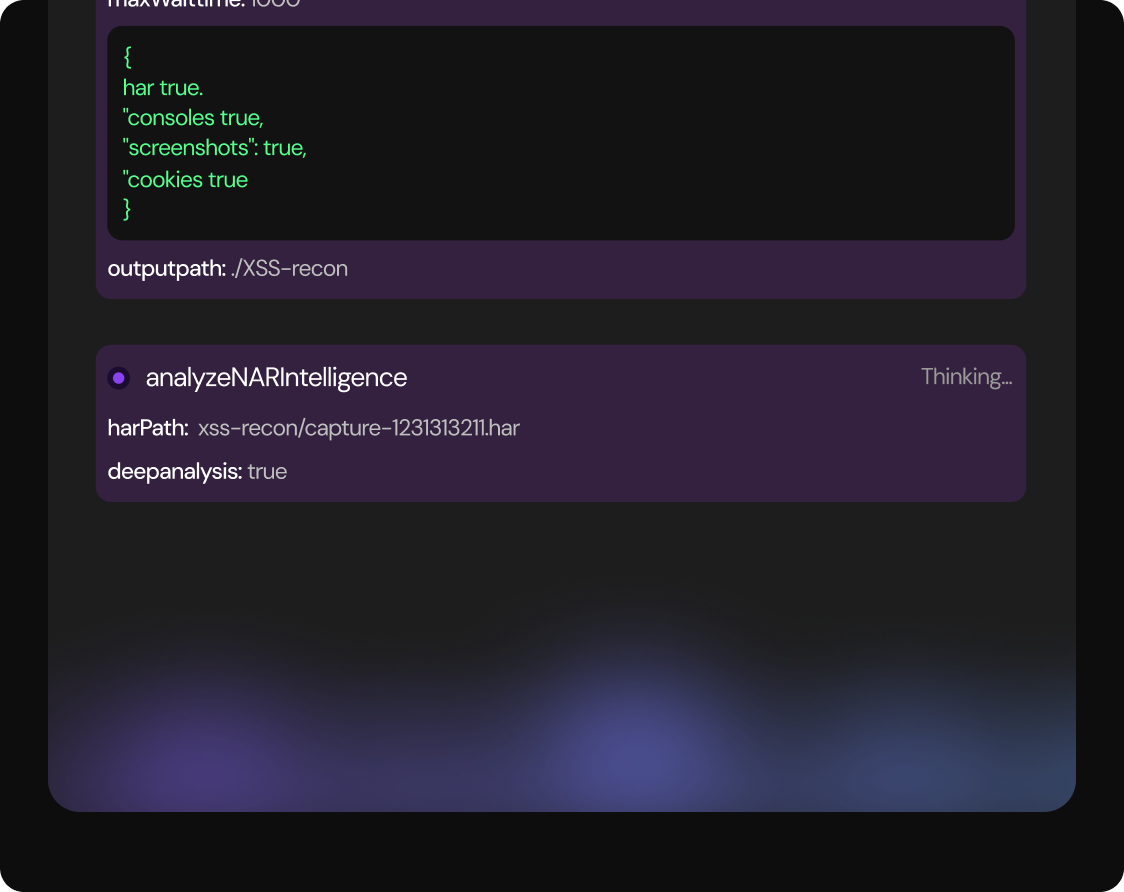
Transparent AI Agent Activity
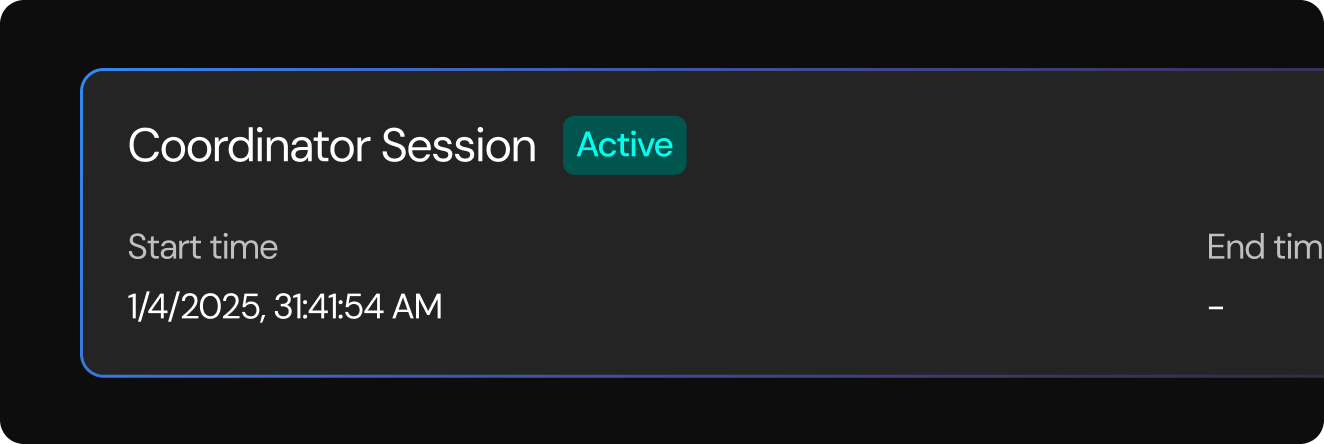
DeepScan makes automated activity visible through clear progress indicators and structured feedback. Users can follow what is being tested, understand execution stages, and see how findings are generated—building confidence through clarity.
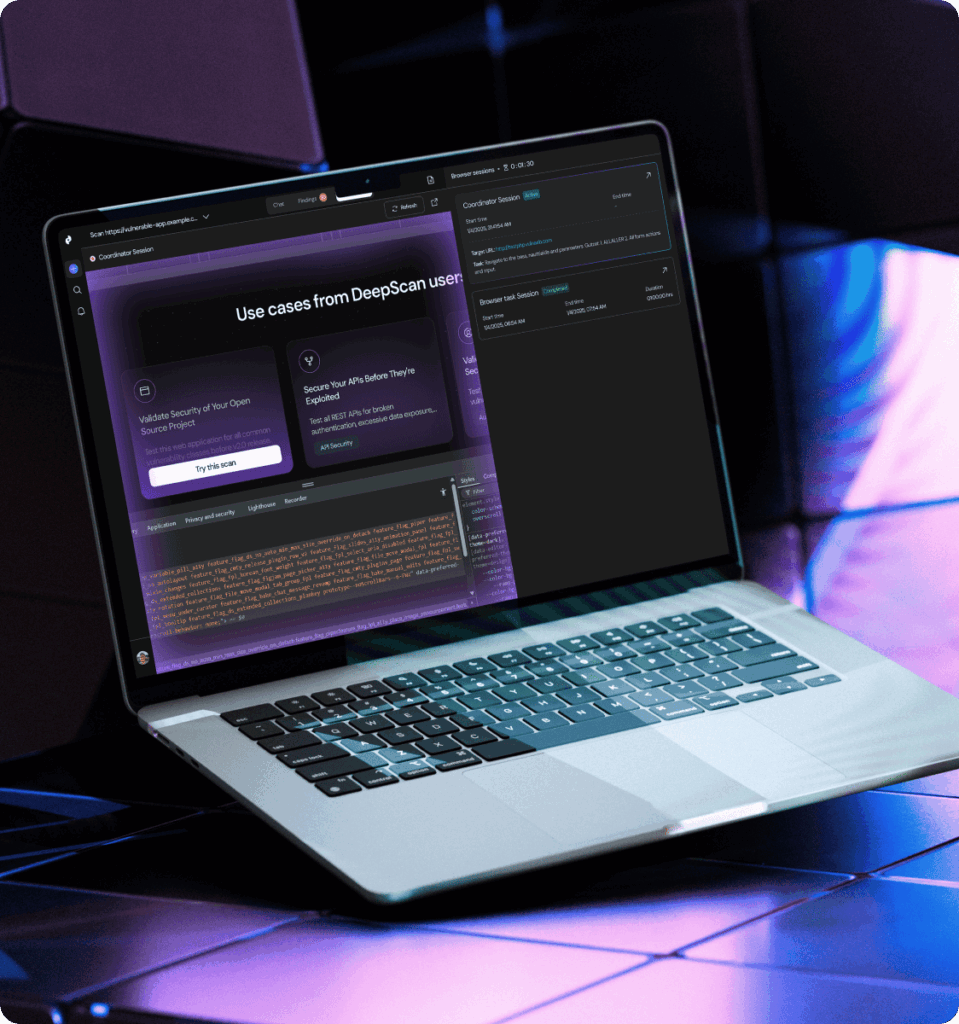
Real Exploits, Real Visibility
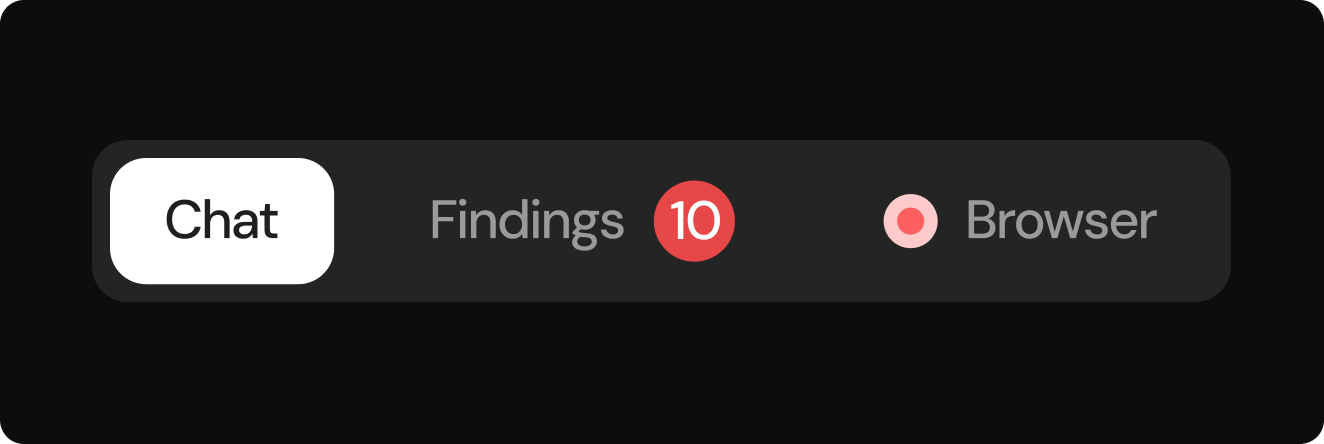
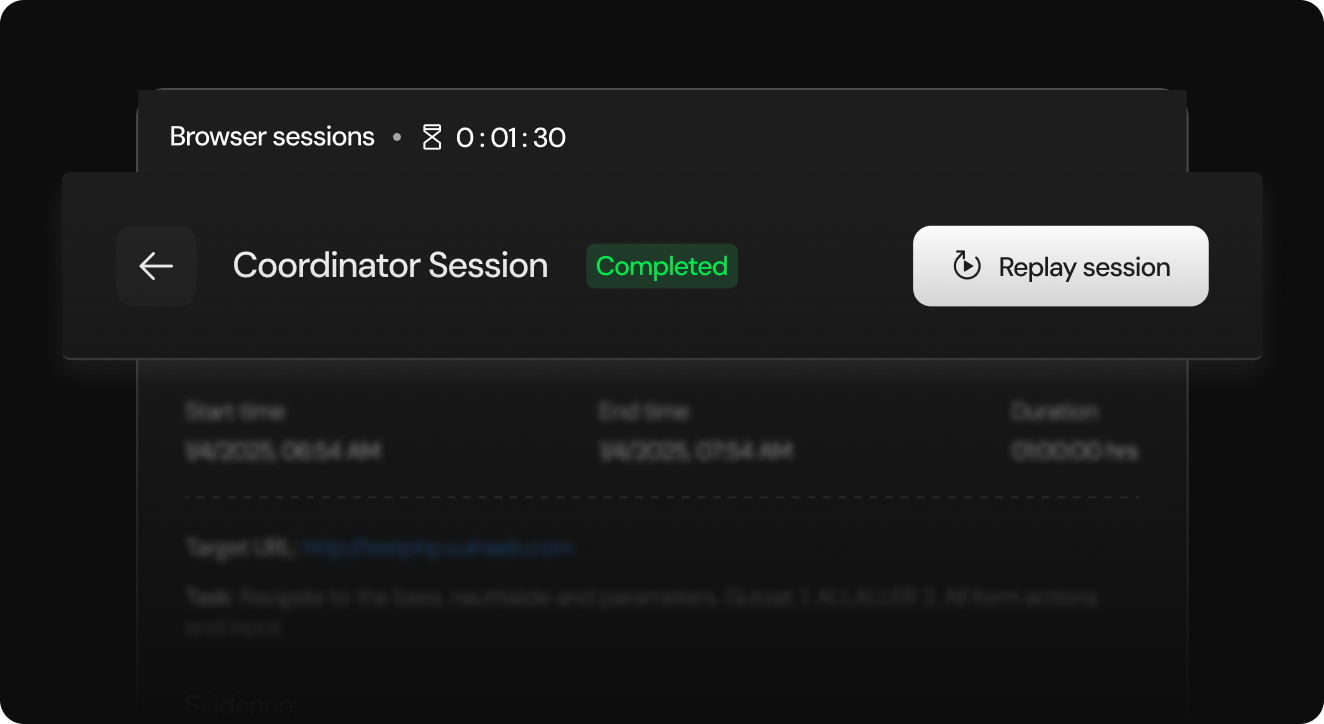
The live browser was designed to make automated security actions observable and understandable. By visually surfacing form interactions, payload execution, redirects, captured screenshots, and reproduced errors, users can follow how a vulnerability unfolds in real time.
Where Security Becomes Actionable
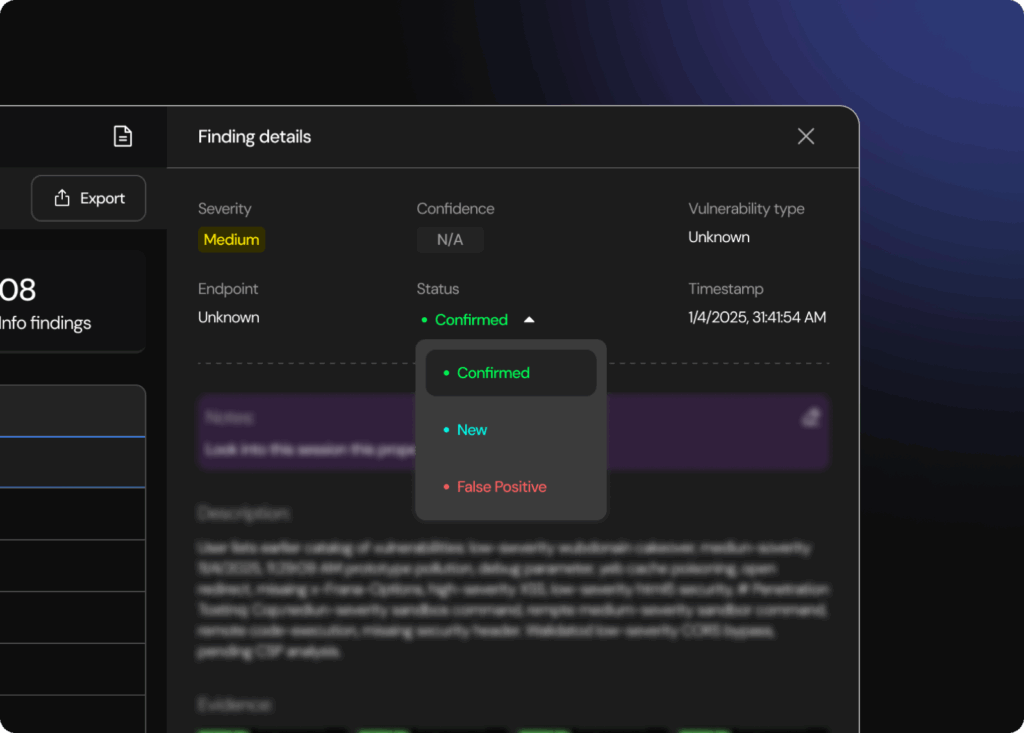
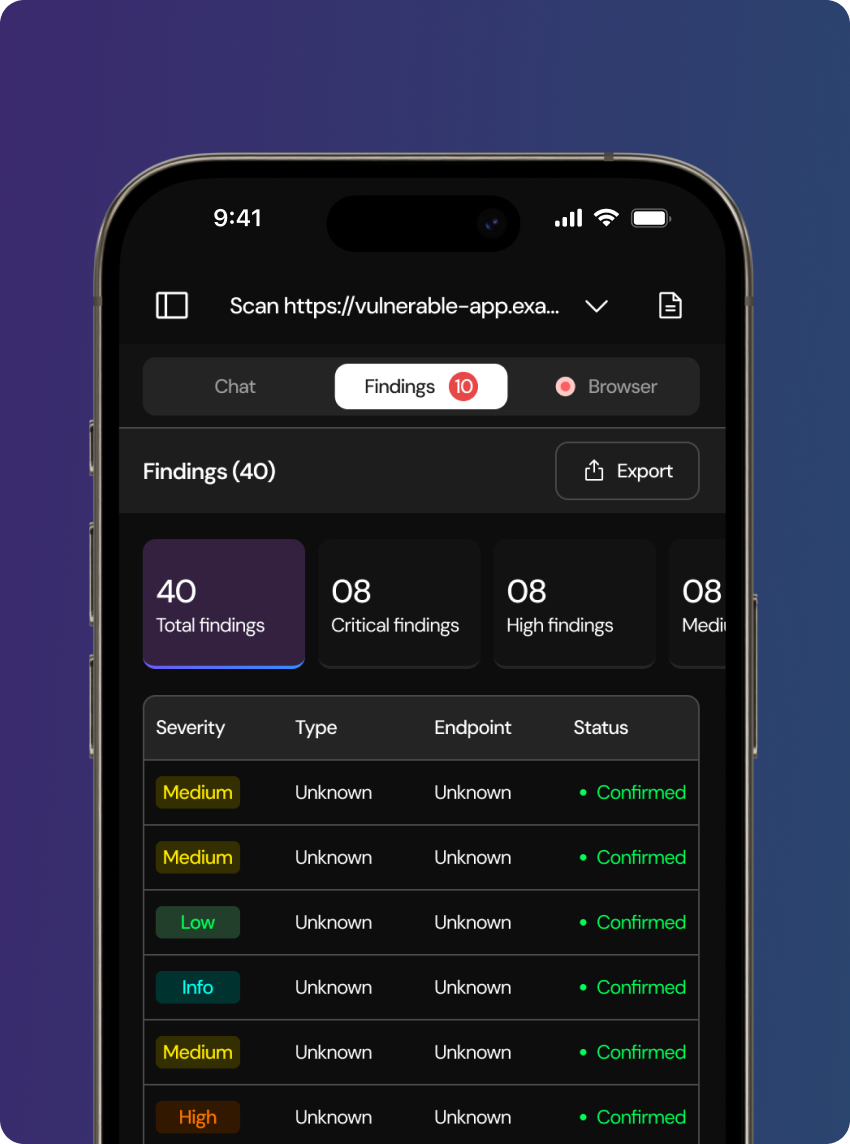
Findings were designed as structured, scannable units that support quick understanding and action. Severity, proof of concept, visual evidence, payload details, reproduction steps, fix guidance, and compliance references are grouped together to reduce cognitive load and help teams move from identification to resolution without friction.
Insights
Lowering the Barrier Without Diluting Depth
Security testing was designed to feel approachable without oversimplifying the problem. By enabling natural language inputs and guiding users through visible system actions, the experience supports both first-time users and security experts within the same flow.
Clarity Over Volume in Security Insights
Findings were structured to prioritize understanding and action. Grouping evidence and fix guidance together helped teams move from detection to resolution without navigating scattered.
Visibility Builds Trust in AI Systems
Users are more confident when they can see what the system is doing. Making AI agent activity, execution steps, and real-world validation visible reduced uncertainty and helped users understand how conclusions were reached.
Hear it from our client
Working with Feelpixel was an absolute pleasure. Their strong understanding of AI and cybersecurity helped us align quickly from the start. From building DeepScan’s brand identity to designing our website and AI pentesting dashboard, their clarity and product thinking stood out. They translated complex security workflows into impactful, usable experiences with precision and creativity. I highly recommend Feelpixel to any organisation seeking impactful design and seamless collaboration.
Surya MettupalliCo-Founder & CEO
Similar Projects
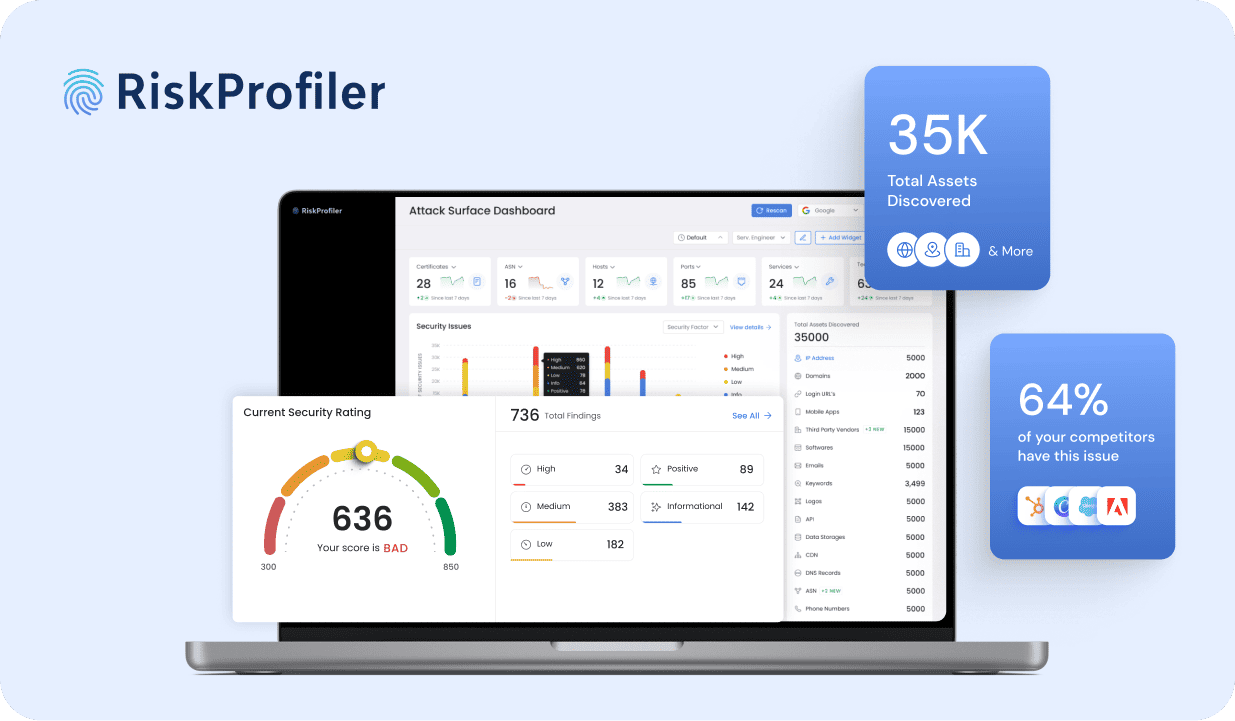
Designed an insightful dashboard for RiskProfiler that enhances security with advanced cybersecurity solutions, providing real-time ratings and automated risk analysis.
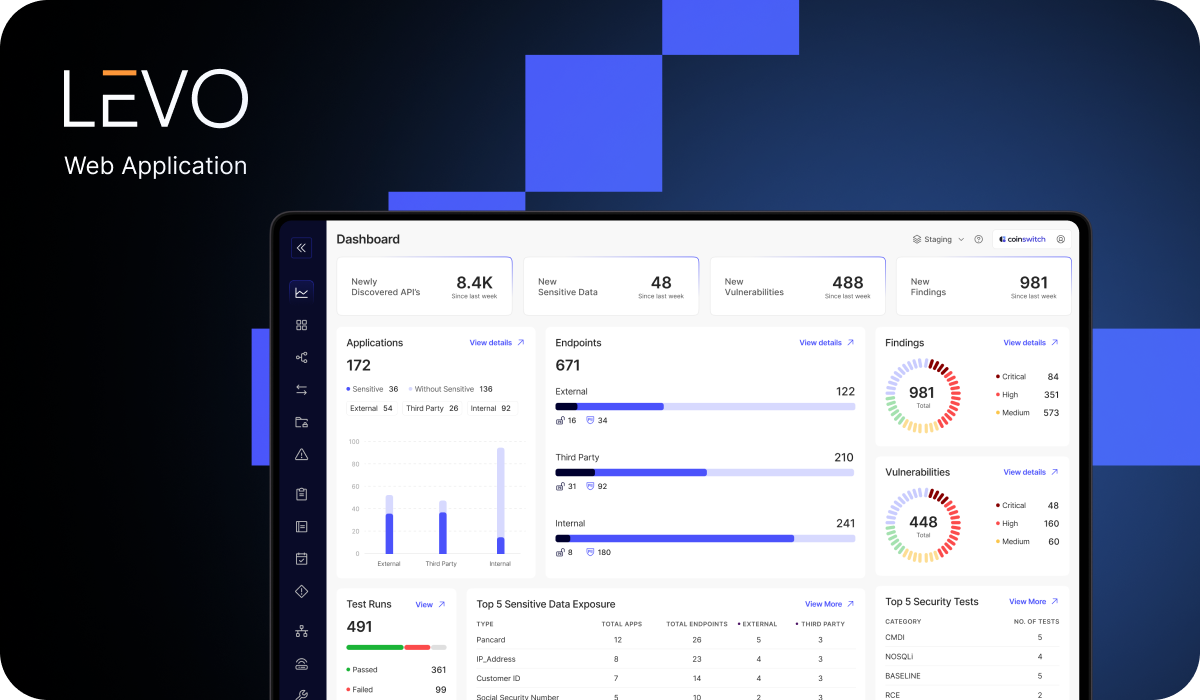
We redesigned the product to simplify complex workflows, establish a consistent interface, and empower DevOps and security teams to fully utilize its protection capabilities.
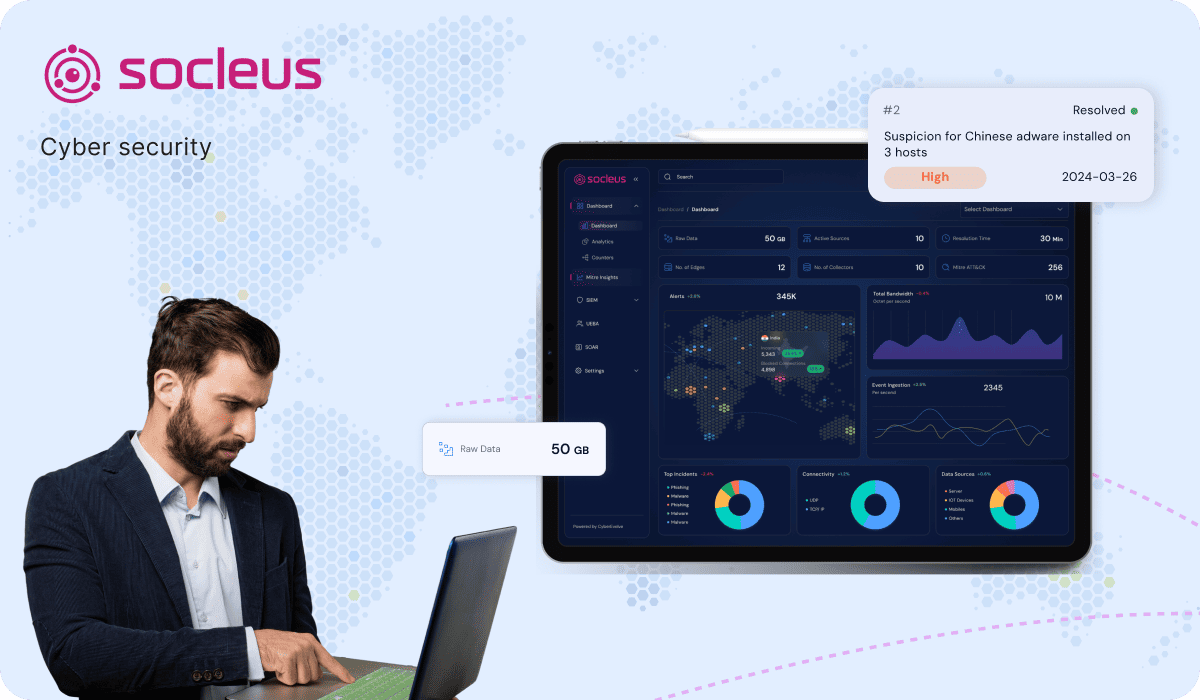
We strategically redesigned experiences which empowers cybersecurity professionals to effortlessly manage security events, devices, and threats, while ensuring a modern, intuitive user experience.





 Cyber SecurityRisk Profiler
  Cyber SecurityLevo
  Cyber SecuritySocleus